

The health of the heart and blood vessels represents one of the biggest public health challenges around the world. According to data from the World Health Organization, since 2019, we have witnessed a continuous increase in the number of people suffering from cardiovascular diseases (CVD), as well as an increase in the number of deaths associated with these conditions. These alarming data are not only a warning but also a call to action.
Due to the great interest of you, dear readers, and the need for reliable and expert information, I have decided to provide you with more detailed insights into the importance and connection of diet with the health of the heart and blood vessels. Nutrition plays a key role not only in the prevention of CVD but also in managing existing conditions and reducing the risk of developing serious complications related to these diseases.
Given the breadth and complexity of the topic, which could easily fill hundreds of pages, I will focus on the basics of proper nutrition for the prevention of CVD, as well as basic dietary guidelines for people already suffering from these diseases. The goal of these articles is to provide you with clear, practical, and scientifically based information that will help you in maintaining or improving your cardiac health. For all individual questions, advice, and additional information, the NutriBalans Studio is at your disposal. This is just the beginning of our joint journey towards a better understanding of how we can use the power of nutrition to protect and care for our most important organs – the heart and blood vessels.
The role of nutrition for heart and blood vessel health
A healthy heart is the foundation of our overall good condition and vitality of the body. Heart diseases are the leading cause of death worldwide, highlighting the importance of maintaining heart health. According to the World Health Organization, cardiovascular diseases are responsible for about 17.9 million deaths annually, accounting for 31% of all global deaths. In many cases, the development of these diseases can be prevented or slowed down by a healthy lifestyle, especially proper nutrition. Nutrition plays a key role in the prevention and management of cardiovascular diseases. The right food choices can help control risk factors such as high blood pressure, elevated cholesterol, and obesity. On the other hand, unhealthy eating habits can increase the risk of developing heart diseases. Therefore, it is important to understand which foods are beneficial for heart health and which should be avoided or limited.
Global data on cardiovascular diseases provide a clear insight into their prevalence and impact. For example, research shows that hypertension (high blood pressure) affects about one-third of the adult population worldwide, making it one of the main drivers of heart disease. Other risk factors such as diabetes, smoking, and physical inactivity further contribute to the global burden of cardiovascular diseases. These statistical data serve as a warning and incentive for individuals to take an active role in protecting their heart health by adopting healthy eating habits.
Cardiovascular diseases are a group of disorders of the heart and blood vessels that include coronary heart disease, cerebrovascular diseases (such as stroke and transient ischemic attacks), peripheral arterial diseases, rheumatic heart diseases, congenital heart diseases, deep vein thrombosis, and pulmonary embolism. Coronary heart disease occurs when the arteries that supply blood to the heart narrow due to the buildup of fatty deposits, which can lead to a heart attack. Stroke is a result of a disturbance in blood flow to the brain, with hypertension playing a key role in its development. Heart failure is a condition in which the heart cannot pump blood effectively, often as a result of long-term damage caused by hypertension, diabetes, or coronary heart disease.
How poor diet contributes to the development of cardiovascular diseases
A poor diet is one of the main risk factors for the development of CVD. Excessive intake of saturated fats, trans fats, sugar, and salt can lead to various health problems that contribute to cardiovascular diseases. For example:
- Saturated and trans fats: These types of fats can increase the level of “bad” cholesterol (LDL) in the blood, leading to the formation of plaques in the arteries. This can cause atherosclerosis, the narrowing and hardening of the arteries, increasing the risk of heart attack and stroke.
- Excessive salt intake: High salt intake can lead to an increase in blood pressure, one of the main risk factors for the development of hypertension and consequently heart diseases.
- High sugar intake: Excessive sugar intake, especially added sugar, can contribute to an increase in body weight and the development of obesity, increasing the risk of hypertension, type 2 diabetes, and coronary heart disease.
- Insufficient intake of fruits and vegetables: Inadequate intake of these nutrients can lead to a lack of key vitamins, minerals, and fiber, which are important for maintaining optimal heart health.
Additionally, poor dietary habits often go hand in hand with other unhealthy behaviors such as physical inactivity, tobacco use, excessive caffeine, and alcohol consumption, further increasing the risk of CVD.
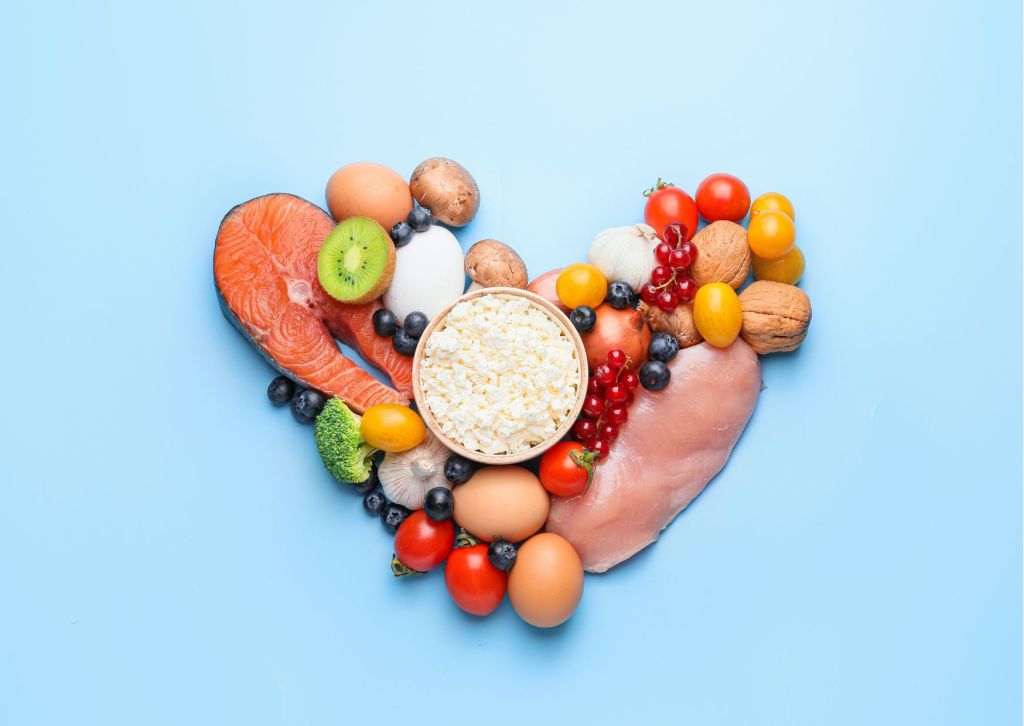
Today we have covered the basic information about the importance of heart health and the general impact of cardiovascular diseases. I hope this introduction has provided you with a better understanding of how important it is to pay attention to the health of our heart and blood vessels, and how our daily decisions can have a significant impact on our long-term health.
In the next article, we continue our series with a more detailed look at the key elements of a healthy diet. We will consider which foods should be included in our daily diet, as well as those that should be limited or avoided, to maintain a healthy heart and reduce the risk of cardiovascular diseases. From properly balancing macronutrients to understanding the role of fiber, antioxidants, and healthy fats, our next discussion promises to be information-rich and practical.
Thank you for following this series, and I look forward to continuing our journey together towards a better understanding of the importance of nutrition for heart health. Until next time, stay interested and committed to your health!
For personalized advice and recommendations, do not hesitate to contact the team at NutriBalans Studio. Our team of experts is always ready to provide you with support and guide you through your path to health improvement.
 Nutrition by MD Fatima
Leave a comment